
HR Technology
Software Application Warranty vs. Maintenance/ Support

What’s the Difference? The purpose of a contract warranty is to ensure that the delivered software application conforms to the contract’s defined scope. This means, for example, that all the requested features, reports, and utilities are delivered. Maintenance/Support, however, delivers much more. Maintenance Patches and Upgrades Maintenance Patches – provided on an as needed basis,…
Read MoreWhy You Need a Maintenance Contract for Your Software Application
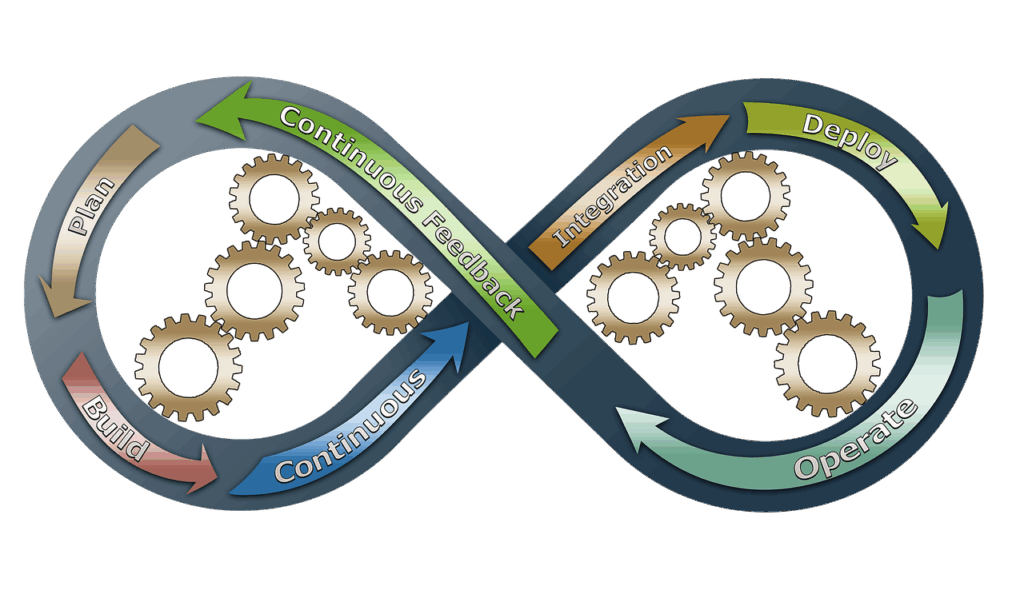
Why Custom Software? When off the shelf applications don’t fulfill a critical business need that is directly tied to your organization’s profitability, custom enterprise-level applications are necessary. Building such an application is a significant undertaking in time, effort, and cost. Development for such a system can take a software team 6 months to 2 years…
Read MoreThe Importance of Scalability in Software Solutions

As we begin a new decade, businesses should no longer be restricted to limited products. This includes applications that don’t scale as organizations grow and their resources increase. With software solutions such as LBi’s HR HelpDesk, businesses can now rest assured that their systems will have the same scalability as they do. HR HelpDesk is…
Read MoreInvesting in a New HCM System? Determine the True ROI

The following post first appeared in 2018. When you make the decision to install a new HRIS system, you may or may not factor-in a potential return on investment (ROI). Some systems are necessary regardless of cost (i.e., Payroll), while others (talent management, for instance) may require some level of financial justification. Some systems, however,…
Read MoreHRIT Systems: SaaS vs. Leasing

The following post first appeared in 2018. Various options for payment do not always equal the same amount. For now, let’s ignore deployment technology (shared vs. dedicated server, hosted vs. on-premises, single tenant vs. multi-tenant, etc.). So how can you pay for HR systems? At the highest level, you can write big checks up front…
Read MoreSierra-Cedar 2019-2020 HR Systems Survey
The 22nd Annual Edition of the Sierra-Cedar HR Systems Survey is now available. This is arguably the most comprehensive survey for HR users, covering nearly all aspects of HR solutions, from the traditional integrated HR/ERP systems to the latest emerging technologies and innovations. In partnership with Sierra-Cedar, LBi Software invites you to participate in the…
Read MoreTop Ten Reasons RFPs May Not Be Necessary

Many companies require departments to issue RFPs for new business software systems, often when the cost estimate exceeds a certain dollar amount. Unless there are legal requirements that mandate an RFP process, consider these ten reasons why you should research alternative acquisition options. With today’s internet, gathering competitive information on products and vendors couldn’t be…
Read MoreThe Potential Risks of Multi-language Capability in HCM Business Solutions

More and more companies, both large and small, are building a multi-national presence. These organizations often have employees in several countries, speaking different languages. Even domestic businesses may have a multi-lingual workforce, commonly with workers speaking Spanish, French, and multiple Asian languages, for instance. In those companies, the ability for HR to effectively communicate with…
Read MoreWhy Participate in the 21st Annual Sierra-Cedar HR Systems Survey
It’s that time of the year — the 21st annual Sierra-Cedar HR Systems Survey is upon us. This is probably the most comprehensive survey for HR users, covering virtually all aspects of HR technology use, from the traditional integrated HR/ERP systems to the latest emerging technologies and innovations. Some of the most important questions you…
Read MoreDetermining the True ROI When Investing in New HCM Systems

Your decision to implement a new HRIS system may or may not factor-in a potential return on investment (ROI). Some systems are necessary regardless of cost (i.e., Payroll). Others (talent management, for instance) may require some level of financial justification. Then there are some systems that clearly demonstrate a solid ROI. One obvious example is…
Read More